
Discover the best courses to study in Nigeria that align with future job demands. Learn how the Nigerian education system can prepare you for high-paying careers and global opportunities.
Nigerian Education System: The Best Courses for Future Jobs
The Nigerian education system has undergone significant transformations over the years, adapting to global trends and local realities. With the rapid advancement of technology and the evolution of industries, choosing the right course of study has never been more crucial. For many students in Nigeria, the challenge is not just getting into a university but ensuring their course of study aligns with future job opportunities.
This article dives deep into the best courses to study in Nigeria, focusing on those with high demand and lucrative career prospects. Whether you are a student, parent, or career counselor, this guide will equip you with the knowledge to make informed decisions about education and career pathways.
Overview of the Nigerian Education System
The Nigerian education system comprises primary, secondary, and tertiary levels. It includes government and private institutions, with federal and state universities leading the charge in tertiary education. Over the years, the education system has faced challenges like funding, infrastructure deficits, and strikes. However, it has also produced some of the brightest minds globally, excelling in fields like medicine, engineering, and IT.
Education in Nigeria is evolving to meet global standards. New courses and programs are being introduced to match the needs of modern industries. From STEM (Science, Technology, Engineering, and Mathematics) to vocational studies, the education sector offers numerous opportunities for students.
Why Choosing the Right Course Matters
The course you study can significantly impact your career prospects. Some fields, such as technology and healthcare, are rapidly growing, while others are becoming obsolete. In Nigeria, unemployment is a major concern, making it essential to choose a course with a high demand in the job market.
Factors to Consider When Choosing a Course
- Passion and Interest: Always choose a field you are passionate about.
- Job Market Trends: Research industries with growing demand.
- Future Opportunities: Look for courses with global relevance and flexibility.
Best Courses to Study in Nigeria for Future Jobs
Below are some of the most promising courses in Nigeria, offering high employability and career growth.
1. Medicine and Surgery
Medicine remains one of the most sought-after courses in Nigeria. With the growing need for healthcare professionals, studying medicine guarantees job security and excellent remuneration. Specializations like pediatrics, cardiology, and surgery are particularly lucrative.
2. Computer Science and IT
Technology is the future, and courses like computer science, cybersecurity, and software engineering are in high demand. Graduates in this field often find opportunities in tech companies, startups, and multinational corporations.
3. Engineering
Engineering branches like civil, mechanical, and electrical engineering are evergreen options. With Nigeria’s infrastructure development and oil industry, engineers are always in demand.
4. Business Administration and Management
This course opens doors to careers in corporate management, entrepreneurship, and consultancy. The skills acquired are versatile, making graduates relevant in almost every industry.
5. Law
Law remains a prestigious and rewarding profession in Nigeria. Specializing in areas like corporate law, international law, or human rights can lead to a fulfilling career.
6. Nursing and Health Sciences
The demand for healthcare professionals extends to nursing, pharmacy, and public health. These fields offer stable careers with opportunities for international work.
7. Agriculture and Environmental Science
With the government’s push for agricultural development, courses in agriculture, agribusiness, and environmental science are gaining relevance. Graduates can explore careers in research, farming, and agritech.
8. Data Science and Artificial Intelligence
Data is the new oil, and professionals in data science, artificial intelligence (AI), and machine learning are highly sought after. These fields are perfect for tech-savvy individuals.
9. Accounting and Finance
Courses in accounting, finance, and economics are timeless, with opportunities in banking, auditing, and financial consulting.
10. Media and Communication Studies
With the rise of digital marketing, public relations, and content creation, media and communication studies have become more relevant.
11. Renewable Energy and Environmental Engineering
With the global push for sustainability and green energy, renewable energy and environmental engineering are gaining prominence. As Nigeria works towards reducing its carbon footprint, professionals in this field will be highly sought after. Careers in solar energy, wind power, and waste management are examples of growing sectors.
12. Artificial Intelligence (AI) and Robotics
AI and robotics are revolutionizing industries across the globe, and Nigeria is no exception. Graduates with expertise in AI, machine learning, and robotics can work in tech companies, startups, manufacturing, and even agriculture. These fields are poised to transform the way Nigeria conducts business.
13. Logistics and Supply Chain Management
Nigeria’s bustling economy and trade routes create a high demand for professionals in logistics and supply chain management. This field is crucial in sectors like retail, e-commerce, and manufacturing, where efficient supply chain systems are essential for business success.
14. Cybersecurity
As cyber threats increase globally, Nigeria’s growing digital space needs cybersecurity experts to protect businesses and government systems. This course equips students with the skills needed to detect, prevent, and respond to cyberattacks, making it a lucrative and impactful career choice.
15. Public Administration and Policy
Public administration and policy-making are crucial in developing nations like Nigeria, where governance and policy decisions shape the economy and society. Graduates in this field can work in government ministries, NGOs, or international organizations to address national and regional issues.
16. Marketing and Digital Marketing
In the digital age, traditional marketing is being replaced by digital marketing strategies. With Nigeria’s increasing internet penetration, companies are heavily investing in digital marketing, creating demand for skilled professionals who can handle online marketing, social media, SEO, and digital advertising.
17. Hospitality and Tourism Management
Nigeria, with its rich culture and diverse tourist attractions, offers opportunities in hospitality and tourism management. Graduates can work in hotels, travel agencies, event planning companies, and more. As the global tourism industry recovers, this sector will provide numerous career opportunities.
18. Architecture and Urban Planning
With Nigeria’s population growth and urbanization, there is an increasing demand for architects and urban planners. Graduates in this field are involved in designing sustainable cities, creating functional spaces, and contributing to Nigeria’s infrastructure development.
19. Education and Educational Leadership
As Nigeria continues to prioritize educational development, qualified teachers, education consultants, and educational leaders are in demand. This course offers opportunities to impact the education sector by developing new learning methods, managing institutions, or working in policy-making.
20. Social Work and Psychology
With increasing societal challenges such as mental health issues, social inequality, and family crises, social work and psychology courses offer career paths in counseling, therapy, and social services. These professionals are needed in healthcare institutions, schools, NGOs, and government services.
The Type of Educational System Nigeria Operates
Nigeria operates a mixed educational system that combines elements of the British system, which was inherited during colonial rule, with local adaptations. The system is divided into several levels, each with its own structure and objectives. Here’s an overview of the Nigerian educational system:
The Nigerian Educational Structure
The Nigerian education system is generally divided into the following levels:
Primary Education
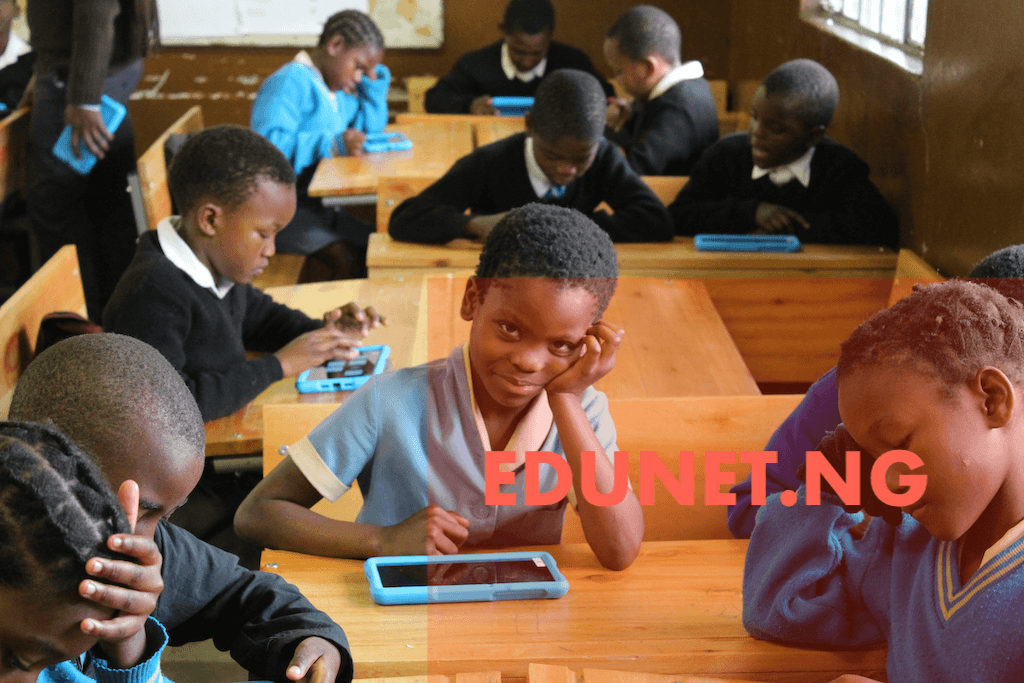
Primary education in Nigeria is free and compulsory for all children between the ages of 6 and 12. This stage is crucial for building foundational literacy and numeracy skills. Primary schools focus on basic subjects such as English, Mathematics, Science, Social Studies, and Physical Education. Pupils in primary school are usually awarded the First School Leaving Certificate (FSLC) at the end of their primary education.
Secondary Education

Secondary education in Nigeria typically lasts six years, and it is divided into two main cycles: the Junior Secondary School (JSS) and Senior Secondary School (SSS). The first three years (JSS) focus on general education, while the final three years (SSS) allow students to specialize in academic or vocational courses. At the end of this stage, students sit for the West African Senior School Certificate Examination (WASSCE) or the National Examination Council (NECO) exams. Successful students can proceed to higher education or vocational training.
Tertiary Education

Tertiary education in Nigeria includes universities, polytechnics, and colleges of education. Universities offer undergraduate and postgraduate programs in a variety of disciplines. Polytechnics focus on technical and vocational education, while colleges of education prepare students for careers in teaching. Universities are the most prestigious institutions in Nigeria, and they confer Bachelor’s, Master’s, and Doctoral degrees. Admission to universities is usually through the Joint Admissions and Matriculation Board (JAMB) exams, and successful candidates can pursue their chosen fields of study.
Vocational and Technical Education
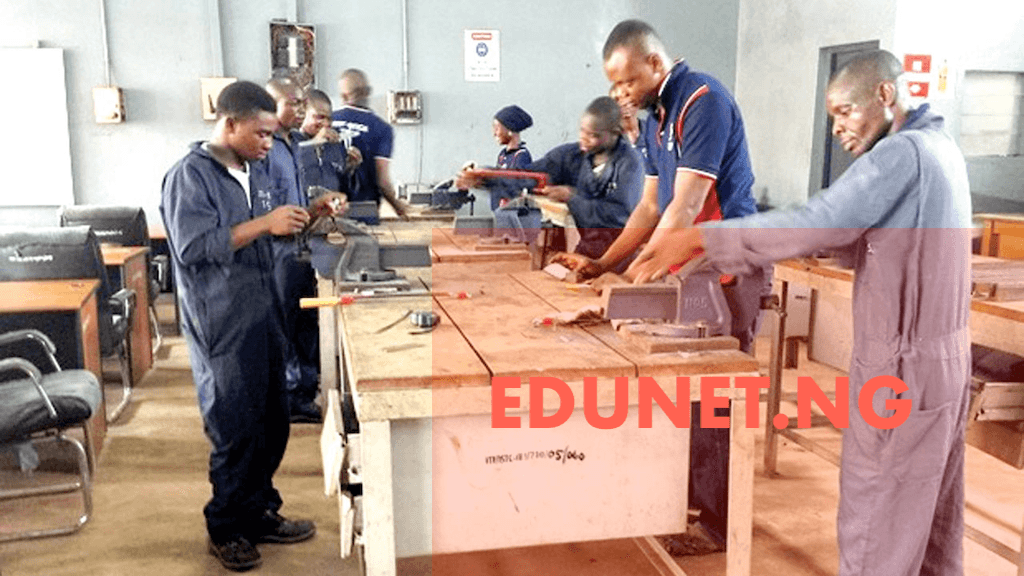
Vocational and technical education is an essential component of the Nigerian education system, providing students with practical skills to succeed in various industries. These programs are offered at technical schools, polytechnics, and other specialized institutions. Students learn hands-on skills in areas such as welding, carpentry, fashion design, and information technology.
Educational Bodies and Regulatory Authorities
Several bodies oversee the Nigerian education system to ensure quality and standards. The major bodies include:
- The National Universities Commission (NUC): Regulates and oversees university education in Nigeria.
- The National Board for Technical Education (NBTE): Supervises polytechnics and similar institutions.
- The National Commission for Colleges of Education (NCCE): Regulates the colleges of education in Nigeria.
- The Joint Admissions and Matriculation Board (JAMB): Responsible for conducting the entrance exams for university admissions.
- The West African Examinations Council (WAEC): Oversees the WASSCE and other standardized exams.
These bodies ensure the standardization and regulation of educational practices across the country.
The History of the Nigerian Education System
The history of Nigeria’s education system reflects its colonial past, post-independence challenges, and evolving needs. The development of education in Nigeria can be traced back to the early 19th century and has undergone numerous reforms to address the country’s growing population, diverse cultures, and economic needs.
– Pre-Colonial Education in Nigeria
Before British colonization, education in Nigeria was largely informal and varied by region and ethnic group. In many Nigerian societies, education was centered around communal living and practical skills, passed down from generation to generation through oral traditions, apprenticeships, and rites of passage. Children were taught by elders and family members the values of their culture, farming skills, craftsmanship, and religious practices.
For example, in the northern part of Nigeria, Islamic education played a significant role, with Qur’anic schools providing basic education in literacy, arithmetic, and religious studies. In the Yoruba and Igbo cultures, traditional education systems existed, with emphasis on oral history, philosophy, and community values.
– British Colonial Education System
The introduction of formal education in Nigeria can be attributed to the British colonization. During the colonial era, the British established schools to educate Nigerians in English language and European culture, often to serve the colonial administration’s needs. The early schools were missionary schools, set up by Christian missionaries who sought to spread Christianity and Western ideals.
In 1842, the first school, the CMS (Church Missionary Society) Grammar School, was founded in Lagos. This period saw the establishment of schools in various parts of the country, primarily in urban centers like Lagos and Calabar. However, education during this time was limited to the elite and the colonial administration, with little emphasis on broad access to education for the indigenous population.
By the early 20th century, the British government began to take an active role in developing the education system, though this was still primarily geared towards training a small group of clerks and administrators. In 1948, the British government passed the Education Ordinance, which aimed to increase access to education across the colonies. This ordinance laid the groundwork for formal schooling in Nigeria and expanded the availability of education beyond the mission schools.
– Post-Independence Education Reforms
After Nigeria gained independence in 1960, the country recognized the need for a more inclusive and broad-based educational system. In 1969, the Nigerian government introduced the National Policy on Education (NPE), which outlined the country’s educational goals and the role of education in national development. The NPE aimed to provide education for all Nigerians, irrespective of their background or location.
One of the key features of post-independence reforms was the introduction of universal primary education (UPE) in 1976. This policy sought to increase enrollment in primary schools and ensure that every Nigerian child had access to education. However, this policy faced challenges such as inadequate funding, poor infrastructure, and a shortage of qualified teachers.
In the 1980s, the government introduced the Universal Basic Education (UBE) program, which aimed to make primary and junior secondary education free and compulsory for all Nigerian children. This program aimed to address the growing literacy gap and ensure that children from all socioeconomic backgrounds could access education.
– Contemporary Developments and Challenges
In recent years, Nigeria’s education system has faced several challenges, including strikes by academic staff, inadequate funding, overcrowded classrooms, and outdated curricula. Despite these issues, Nigeria continues to prioritize education as a key element of national development. Initiatives such as the National Economic Empowerment and Development Strategy (NEEDS) and the Education for All (EFA) goal seek to address these challenges and improve the quality of education.
Technological advancements have also played a significant role in shaping the contemporary education system. E-learning, digital textbooks, and online courses are slowly becoming integrated into Nigerian education, especially in universities and private schools. There has also been a focus on vocational and technical education to provide practical skills that align with the job market.
However, Nigeria’s education system continues to face significant challenges such as inadequate infrastructure, poor teacher training, and issues with quality control. The government and various stakeholders continue to push for reforms to create an education system that meets the needs of a modern, globalized economy.
The Future of Nigerian Education
The future of Nigeria’s education system looks promising, with ongoing efforts to integrate more digital tools, update curricula, and improve teacher training. In particular, there is growing interest in STEM (Science, Technology, Engineering, and Mathematics) education, vocational training, and online learning platforms. With the right investment, policy changes, and collaboration between the public and private sectors, the Nigerian education system can evolve to meet the challenges of the 21st century and prepare students for the future.
In conclusion, the history of the Nigerian education system has been marked by a series of transformations—from the informal education systems of pre-colonial times to the British colonial education model, and the efforts post-independence to make education more accessible and inclusive. Despite facing significant challenges, the Nigerian education system continues to evolve to meet the demands of a changing world.
Challenges in the Nigerian Education System
Despite its potential, the Nigerian education system faces several challenges:
- Funding Issues: Many public institutions struggle with inadequate funding.
- Infrastructure Deficits: Outdated facilities hinder learning experiences.
- Frequent Strikes: Interruptions in academic calendars affect students’ progress.
These challenges emphasize the need for reforms and investments in the education sector to support the courses of the future.
Solutions to the Challenges in the Nigerian Education System
The Nigerian education system faces a number of challenges that hinder its growth and efficiency. However, solutions exist that can help address these issues and improve the system:
1. Adequate Funding for Education
The Nigerian government should increase funding for education, ensuring that public universities and schools are properly equipped with learning resources. Private institutions could also be incentivized to offer affordable education through tax breaks or subsidies. Partnerships with international organizations and private sector investments can further boost funding.
2. Improving Teacher Training and Compensation
Teachers play a pivotal role in shaping the future of students. Therefore, the government must invest in teacher training programs and ensure that educators are well-compensated. Offering professional development opportunities and improving job satisfaction can help retain qualified teachers.
3. Tackling Overcrowding in Classrooms
Overcrowding remains a major issue in Nigerian public schools. The government must prioritize the building of new schools, expanding classrooms, and reducing student-to-teacher ratios. Technology can also help reduce overcrowding by providing e-learning options for students.
4. Leveraging Technology in Education
Investing in educational technology will allow Nigeria’s education system to become more flexible, accessible, and efficient. E-learning platforms, digital textbooks, and virtual classrooms can help bridge the gap for students in remote areas or those unable to attend physical schools due to various constraints.
5. Ensuring Quality Control in Private Institutions
While private institutions often offer better resources, quality control must be enforced to ensure that students receive a high standard of education. Accreditation bodies should regularly monitor and evaluate private institutions to ensure they meet national educational standards.
6. Streamlining University Admissions
The university admission process can be complex and frustrating for many students. A more streamlined, transparent, and merit-based system should be adopted to ensure fairness in student selection. This includes reducing the influence of political factors and ensuring that entrance exams, like JAMB, are conducted efficiently.
7. Expanding Access to Education in Rural Areas
Access to quality education should not be limited to urban centers. The government should build more schools in rural areas, offer scholarships to students in disadvantaged regions, and promote distance learning programs to ensure that every Nigerian child has an opportunity to succeed.
How the Nigerian Education System Can Adapt to Future Needs
The Nigerian education system needs a comprehensive overhaul to meet the demands of the future. While the country has made strides in educational reform, more must be done to equip students with the skills and knowledge required for the rapidly evolving job market. Here are some ways the Nigerian education system can adapt:
- – Integrating Technology into Education: One of the primary ways Nigeria can prepare its students for future jobs is by integrating technology into the curriculum. Digital tools, online resources, and educational apps can help students learn more effectively. Virtual classrooms, e-learning platforms, and coding programs should be prioritized to ensure that students are well-prepared for digital careers.
- – Focus on STEM Education: Science, Technology, Engineering, and Mathematics (STEM) education is critical to Nigeria’s future success. The government and educational institutions need to prioritize STEM courses, with investments in labs, research, and qualified instructors. Students should also be encouraged to participate in STEM-related extracurricular activities like science fairs, coding clubs, and tech competitions.
- – Emphasizing Soft Skills and Employability Training: While academic qualifications are important, employers are increasingly seeking candidates with soft skills like communication, teamwork, and problem-solving. Educational institutions should introduce courses and workshops that focus on building these skills. Additionally, career services and internships can help students transition from theoretical learning to real-world experience.
- – Collaboration with Industry Experts: There needs to be stronger collaboration between educational institutions and industry professionals. Schools, universities, and vocational training centers should partner with businesses to design curricula that meet current job market demands. Guest lectures, internships, and joint research projects are effective ways to bridge the gap between education and employment.
- – Vocational and Technical Education: Not every student wants to pursue a university degree, and Nigeria’s education system must cater to those interested in vocational and technical skills. Government and private institutions should invest in vocational schools, offering training in fields like plumbing, electrical work, fashion design, and carpentry. These skills are highly marketable and offer immediate job prospects.
- – Quality of Education in Public Schools: Public schools in Nigeria often suffer from overcrowding, outdated facilities, and underpaid teachers. There must be a concerted effort to improve the quality of education in these schools by investing in infrastructure, hiring qualified teachers, and providing learning materials. Every child, regardless of location or background, should have access to quality education.
- – International Education Partnerships: To improve the global competitiveness of Nigerian students, there should be more partnerships between Nigerian institutions and foreign universities. This will enable Nigerian students to participate in exchange programs, access international scholarships, and adopt best practices from leading universities around the world.
- – Curriculum Reform: Curriculum reform is essential for preparing students for future careers. The existing curriculum must be revised to reflect the demands of the 21st century, with more focus on innovation, entrepreneurship, and emerging industries like AI, renewable energy, and digital marketing. Additionally, universities should offer flexible programs that allow students to gain practical experience alongside theoretical learning.
FAQs About the Nigerian Education System.
1. What is the most lucrative course to study in Nigeria?
Medicine and surgery are among the most lucrative courses due to high demand and job security. Other top options include IT, engineering, and law.
2. Which courses have global opportunities?
Courses like computer science, nursing, and data science offer excellent global opportunities due to their universal demand.
3. How do I choose the best course for my career?
Consider your interests, job market trends, and future opportunities. Research industries with growing demand and align them with your skills.
4. What are the challenges of studying in Nigeria?
Challenges include funding issues, infrastructure deficits, and frequent strikes. However, private institutions often offer more stability.
5. Are vocational courses valuable in Nigeria?
Yes, vocational courses in fields like plumbing, carpentry, and fashion design offer great entrepreneurial opportunities and are highly marketable.
Conclusion
The Nigerian education system plays a crucial role in shaping the future of its students and the nation at large. Choosing the right course can be life-changing, opening doors to lucrative careers and global opportunities. From medicine to IT, the courses highlighted in this article represent the best pathways to success in a rapidly evolving world. By aligning your education with future job demands, you can secure a brighter, more fulfilling future.
Take charge of your future by making informed decisions today. Whether you aim to study in Nigeria or abroad, invest in a course that aligns with your passion and global trends. The future is bright for those who prepare for it.